In a groundbreaking discovery that could reshape our approach to plastic pollution, scientists have identified marine microorganisms capable of breaking down polyethylene terephthalate (PET) using specialized enzymatic "scissors." This natural degradation process, observed in ocean environments, offers a promising new pathway for addressing the global plastic waste crisis without relying solely on industrial recycling methods.
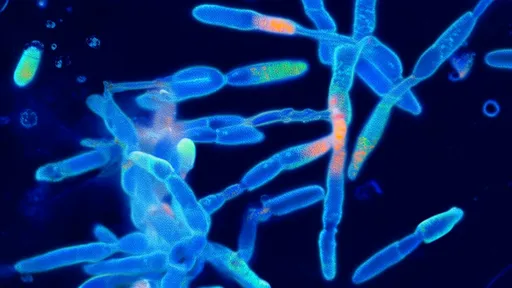
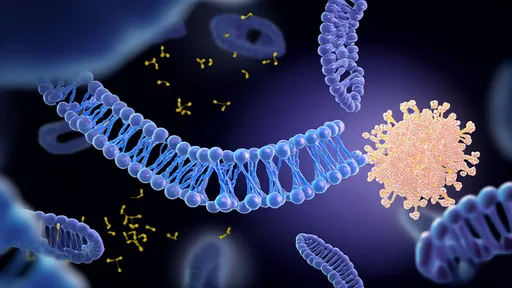
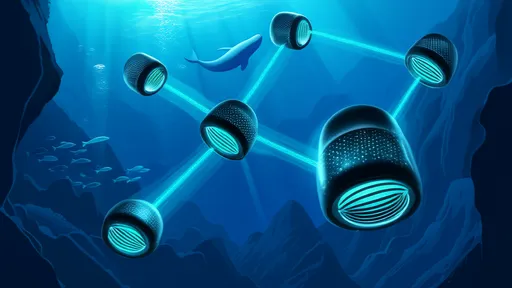
The research, published in a recent issue of Nature Microbiology, reveals how certain marine bacteria have evolved to produce enzymes that specifically target the molecular structure of PET plastics. These microbial enzymes act like precise molecular scissors, snipping the polymer chains into smaller components that can be metabolized by the organisms. Unlike previous discoveries of plastic-eating enzymes in landfill-dwelling bacteria, this marine adaptation occurs in the challenging conditions of ocean water - suggesting these microbes have developed unique biochemical strategies.
What makes this discovery particularly remarkable is the environment where these microorganisms thrive. Ocean waters present significantly different challenges for enzymatic activity compared to terrestrial environments, including lower temperatures, higher salinity, and constant motion. The fact that these enzymes remain effective under such conditions points to their extraordinary stability and efficiency. Researchers speculate that decades of plastic pollution in marine ecosystems may have driven the evolution of these specialized degradation capabilities through natural selection.
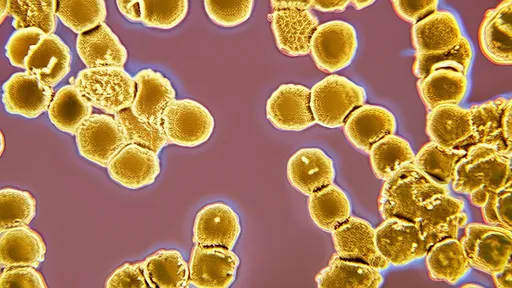
The scientific team employed advanced metagenomic sequencing to identify the specific enzymes responsible for PET breakdown. By analyzing microbial communities growing on plastic debris in the North Pacific Subtropical Gyre (commonly known as the Great Pacific Garbage Patch), they isolated several novel enzyme variants with superior plastic-degrading properties. Subsequent laboratory tests confirmed that these marine-derived enzymes could break down PET at rates comparable to, and in some cases exceeding, those of previously known plastic-degrading enzymes from land-based microorganisms.
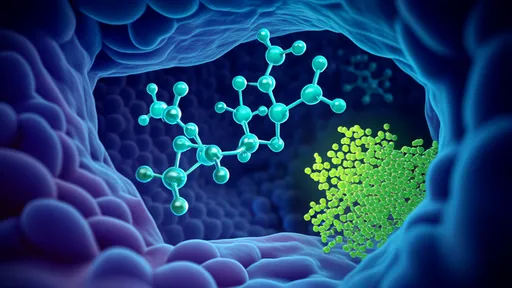
Beyond simply identifying the existence of these enzymes, the research provides crucial insights into their molecular mechanisms. Using X-ray crystallography, the team determined the three-dimensional structures of the most effective enzymes, revealing how their unique shapes enable them to bind to and cleave PET molecules. This structural understanding opens possibilities for bioengineering enhanced versions of these enzymes that could be deployed in large-scale plastic waste treatment systems.
Marine microbiologists caution that while this discovery represents a significant scientific advance, it doesn't provide an immediate solution to ocean plastic pollution. "Finding microbes that can break down plastics in the ocean is like discovering that some creatures can eat poison - it's fascinating biology, but it doesn't mean we should keep polluting," noted Dr. Elena Martinez, a marine biochemist not involved in the study. The researchers emphasize that reducing plastic waste at its source remains the most critical strategy for protecting marine ecosystems.
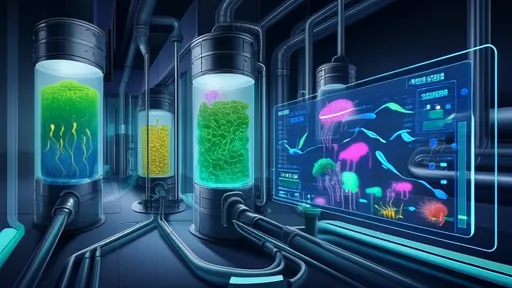
The potential applications of this discovery extend beyond environmental cleanup. Industrial biotechnology companies are already exploring ways to harness these marine-derived enzymes for more sustainable plastic recycling processes. Unlike conventional mechanical recycling which degrades plastic quality, enzymatic recycling could break PET down to its fundamental building blocks for repolymerization into virgin-quality material. This closed-loop approach could dramatically improve the economics and feasibility of plastic recycling worldwide.
As research continues, scientists are investigating whether similar enzymatic capabilities exist for other types of plastics beyond PET. Preliminary evidence suggests some marine microbes may have developed degradation pathways for polyethylene and polypropylene as well, though these processes appear to be much slower. Understanding these natural plastic degradation systems could inspire entirely new approaches to designing biodegradable polymers that maintain their usefulness during product lifetime but break down efficiently when they enter the environment.
The discovery also raises important questions about the broader ecological impacts of plastic-degrading microbes in marine environments. While breaking down plastic waste may seem beneficial, the byproducts of this microbial digestion could have unknown effects on marine food webs and biogeochemical cycles. Research teams are now studying whether the breakdown products are completely mineralized into harmless compounds or whether intermediate metabolites might accumulate with ecological consequences.
This breakthrough exemplifies how studying nature's adaptations to human-made environmental changes can yield unexpected solutions. The plastic-eating enzymes evolved by marine microbes in response to pollution may ultimately provide us with tools to clean up that same pollution - a poetic example of nature's resilience. As research progresses, these biological insights combined with engineering innovation could help transition society toward a more circular economy for plastics.
Funding for further development of this technology is coming from both government environmental agencies and private sector partners. The European Union has announced a major initiative to scale up enzymatic recycling technologies, while several Asian nations with significant plastic waste challenges are investing in research partnerships. Meanwhile, environmental groups stress that biological solutions must complement rather than replace efforts to reduce plastic production and improve waste management systems globally.
By /Aug 7, 2025

By /Aug 7, 2025
By /Aug 7, 2025

By /Aug 7, 2025
By /Aug 7, 2025
By /Aug 7, 2025
By /Aug 7, 2025
By /Aug 7, 2025
By /Aug 7, 2025
By /Aug 7, 2025
By /Aug 7, 2025
By /Aug 7, 2025

By /Aug 7, 2025
By /Aug 7, 2025
By /Aug 7, 2025
By /Aug 7, 2025
By /Aug 7, 2025
By /Aug 7, 2025
By /Aug 7, 2025
By /Aug 7, 2025
