In a groundbreaking effort to protect marine life, scientists and engineers have developed an innovative acoustic "whale protection network" using smart buoys to create silent corridors for cetaceans. This ambitious project aims to mitigate the harmful effects of underwater noise pollution, which has been increasingly disrupting the communication, navigation, and feeding patterns of whales and other marine mammals.
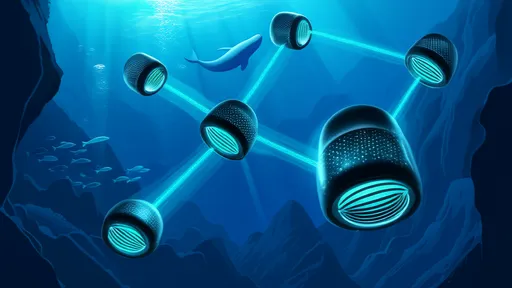
The concept revolves around deploying a series of intelligent buoys equipped with advanced hydrophones and real-time data processing capabilities. These buoys are strategically placed along known whale migration routes, forming an invisible yet highly effective barrier against excessive anthropogenic noise. When the system detects approaching vessels, it automatically alerts them to reduce speed or alter course, effectively lowering underwater noise levels in critical habitats.
Underwater noise pollution has emerged as one of the most significant yet least visible threats to marine ecosystems. The constant hum of ship engines, seismic surveys for oil and gas exploration, and military sonar activities have turned the ocean into an increasingly noisy environment. For whales that rely on sound for virtually every aspect of their lives, this acoustic smog can be devastating. Studies have shown that excessive noise can cause hearing loss, chronic stress, strandings, and even death among cetaceans.
The smart buoy network represents a technological leap in marine conservation. Each buoy functions as an autonomous monitoring station, capable of distinguishing between natural ocean sounds and harmful anthropogenic noise. The system can identify different whale species by their unique vocalizations, allowing for species-specific protection measures. When whales are detected in the area, the network can implement temporary noise reduction protocols by coordinating with nearby shipping lanes.
What makes this initiative particularly remarkable is its non-invasive approach to conservation. Unlike physical barriers that might restrict marine traffic or fishing activities, the acoustic protection system works by facilitating better coordination between human activities and wildlife needs. Shipping companies participate voluntarily, receiving real-time data about whale movements that helps them avoid collisions while simultaneously reducing their acoustic footprint.
The implementation of these silent corridors has already shown promising results in pilot projects. Along the Pacific coast, where the system was first tested, researchers observed a significant decrease in whale stress indicators and an increase in successful calf rearing. The buoys have also collected invaluable data about whale behavior and migration patterns, contributing to our broader understanding of these magnificent creatures.
As the technology continues to evolve, researchers are working on expanding the network to cover more critical habitats worldwide. Future versions of the smart buoys may incorporate machine learning algorithms to predict whale movements more accurately and potentially integrate with autonomous vessels to create dynamically adjustable protection zones. This marriage of marine biology and cutting-edge technology offers hope for restoring the ocean's natural soundscape while allowing sustainable human use of marine resources.
The success of the whale protection network demonstrates how innovative solutions can bridge the gap between conservation and economic interests. By giving whales the quiet they need to thrive without imposing severe restrictions on maritime industries, this project establishes a model for responsible ocean stewardship in the Anthropocene era. As awareness grows about the importance of ocean soundscapes, similar systems may soon protect marine ecosystems around the globe.
By /Aug 7, 2025

By /Aug 7, 2025
By /Aug 7, 2025
By /Aug 7, 2025
By /Aug 7, 2025
By /Aug 7, 2025

By /Aug 7, 2025
By /Aug 7, 2025
By /Aug 7, 2025
By /Aug 7, 2025

By /Aug 7, 2025

By /Aug 7, 2025
By /Aug 7, 2025

By /Aug 7, 2025
By /Aug 7, 2025

By /Aug 7, 2025

By /Aug 7, 2025

By /Aug 7, 2025
By /Aug 7, 2025
By /Aug 7, 2025
